
Relieving Jaw Pain and TMJ Symptoms With Physical Therapy
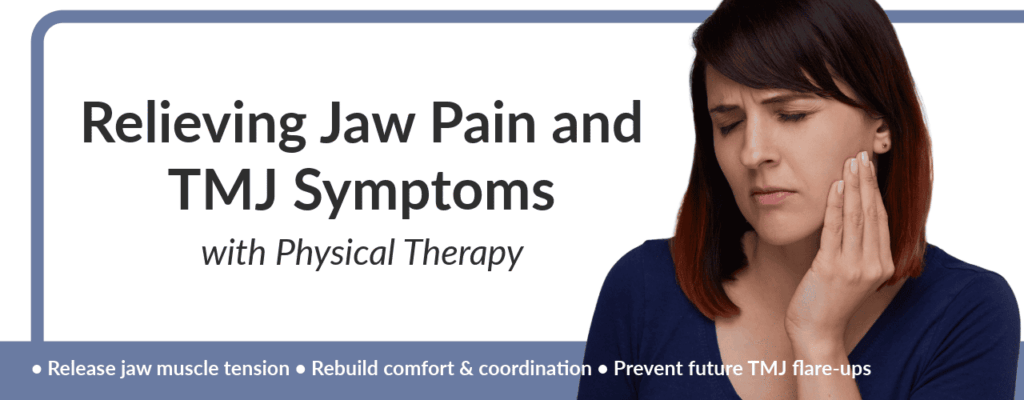
Do you wake up with tightness in your jaw or headaches near your temples? Does your jaw pop or click when you chew? If so, you may be dealing with temporomandibular joint (TMJ) dysfunction, a condition that affects how your jaw moves and feels. TMJ pain can make eating, speaking, or even smiling uncomfortable. The good news is that physical therapy for jaw pain can help relieve tension, improve alignment, and restore natural jaw movement.
Understanding the Roots of Jaw Pain
The temporomandibular joint connects your lower jaw to your skull, allowing you to talk, chew, and yawn. When this joint or the surrounding muscles become strained or irritated, pain and stiffness can develop. Several factors can strain the muscles and ligaments around the joint, creating a cycle of discomfort that worsens over time. Some examples include:
- Jaw clenching or teeth grinding
- Poor posture or neck alignment
- Stress or anxiety leading to muscle tension
- Previous injury to the jaw or neck
- Arthritis affecting the TMJ
Seeking Help for Jaw Pain
If you experience any of the following symptoms for more than two weeks, it’s time to schedule an appointment at Pro-Active Physical Therapy so we can help you understand what might be going on:
- Jaw stiffness or pain when chewing or talking
- Clicking or popping sounds when opening your mouth
- Headaches or ear pain with jaw movement
- Locking or difficulty opening the mouth fully
How Physical Therapy Helps with Jaw Pain
Rather than masking symptoms, the team at Pro-Active Physical Therapy focuses on addressing the root cause of your TMJ pain–whether it’s muscle imbalance, tightness, or misalignment.
Your first visit will include a thorough assessment of your jaw movement, posture, and muscle tension. We’ll ask about your pain triggers, daily habits, and any grinding or clenching you may do during sleep. Based on these findings, we’ll then design a personalized program that may include:
- Manual therapy techniques to reduce muscle tightness and improve joint mobility.
- Stretching and strengthening exercises that restore balance in the jaw and neck muscles.
- Postural corrections that promote healthy jaw alignment and reduce strain from slouching or forward head posture.
- Breathing or jaw relaxation methods to decrease tension from clenching or stress.
- Guidance on habits that can reduce pressure on the TMJ, like avoiding gum chewing or hard foods.
Preventing TMJ Pain From Recurring
Another major benefit of physical therapy for jaw pain is prevention. We’ll teach you how to maintain healthy movement patterns and posture to avoid future strain. Some strategies we might suggest include:
- Keeping jaw and neck muscles mobile
- Maintaining relaxed jaw positioning (lips together, teeth apart)
- Managing stress with breathing and relaxation techniques
- Avoiding repetitive habits like nail-biting or chewing gum
Move, Speak, and Smile Without Pain
Jaw pain can interfere with everything from eating to expressing yourself. But with expert guidance and personalized care, you can regain comfort and confidence in your daily life.
If you’re tired of living with TMJ discomfort, schedule an appointment with Pro-Active Physical Therapy today to learn how physical therapy for jaw pain can help you move, speak, and smile without pain.