Get Your Health Back On Track With Physical Therapy
Have you struggled with pain? Are you dealing with an injury affecting your ability to do your usual routine? Our highly skilled physical therapists can guide you back to health and back to doing what you love!
Whether you have recently had surgery or are recovering from a new injury, physical therapy at Pro-Active Physical Therapy can help.
October is National Physical Therapy Month. Pro-Active Physical Therapy wants to make sure that you have a reliable source to help you resolve whatever physical condition you face. Our physical therapists are highly trained and experienced in treating musculoskeletal disorders. We understand how important it is to get to the root of the problem and provide solutions that work.
Our team of physical therapists is devoted to helping our patients recover from injuries and pain that are interfering with everyday activities and making life way harder than it should be.
Request an appointment with Pro-Active Physical Therapy today, so we can help you get back to the life you deserve!
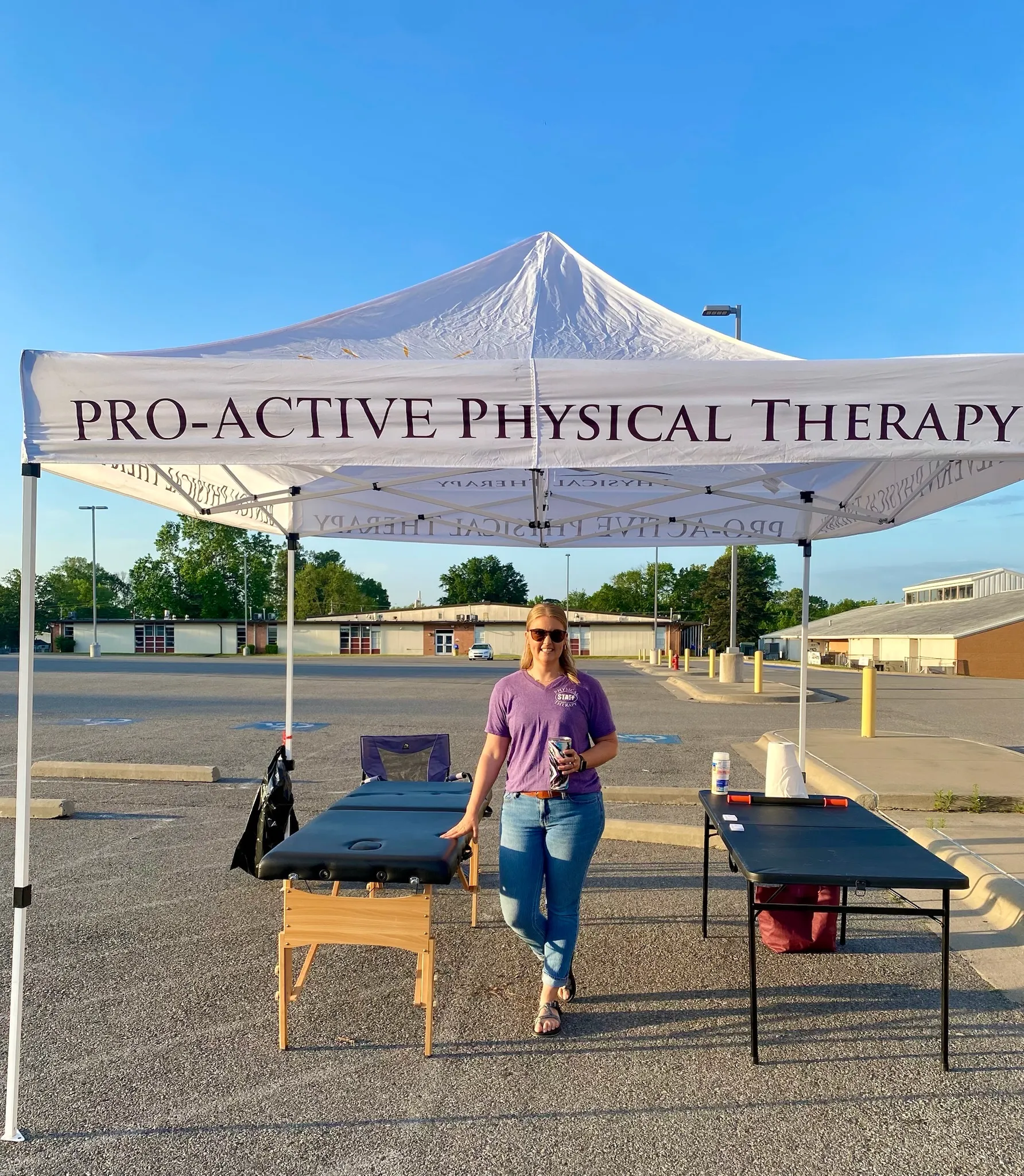
October is National Physical Therapy Month – Help Us Celebrate!
At Pro-Active Physical Therapy, we’re proud to support, heal, and empower our patients every step of the way. This month, we’re celebrating the impact of physical therapy—and the incredible people like you who make our work so rewarding. If PT has made a difference in your life, we’d love to hear from you! Leave us a review and share your story—your feedback helps others take the first step toward healing and motivates our team to keep delivering exceptional care.

Patient Success Spotlight
“I could not have had a better experience anywhere else as I did with Pro-Active. Brad was my physical therapist and was awesome, he would push you to the max, but then he was as gentle as could be. All of the techs were awesome, kind, funny, would always make you laugh when you were down and out and for sure did not want to be there. Overall a great guy to work with. I really enjoyed the days that I had PT because of this group of people.”
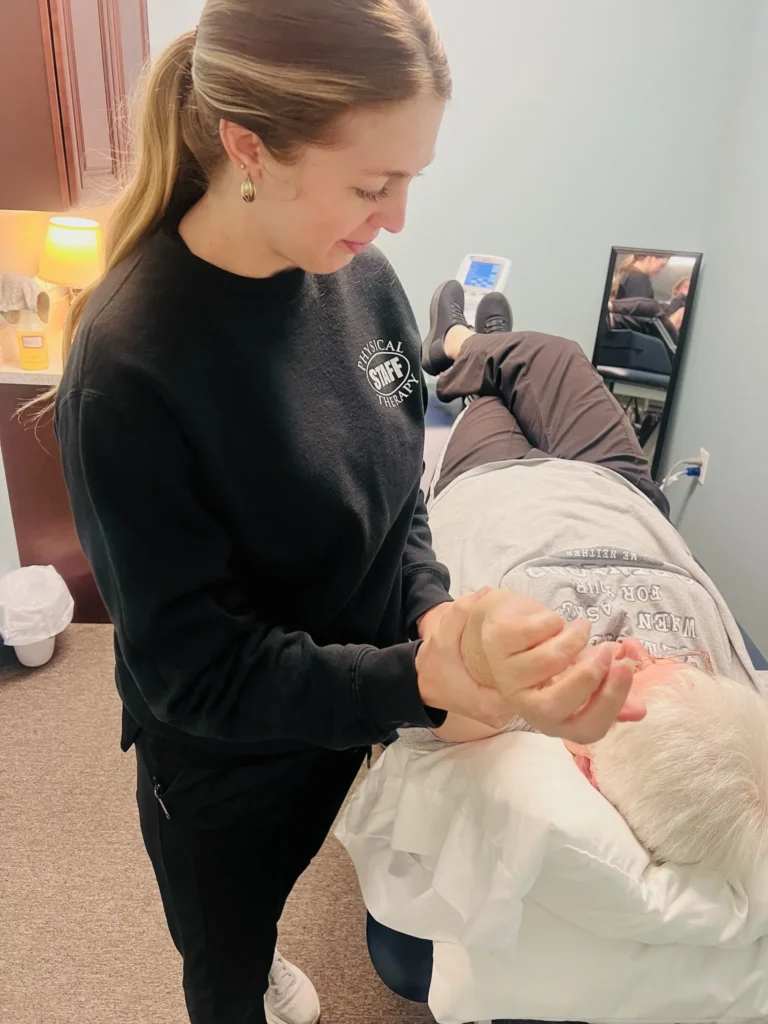
Why Should I Choose Physical Therapy?
There are several reasons to choose physical therapy over costly surgeries and medications. Physical therapy has been shown to not only help resolve pain and improve function, but it is also effective at enhancing your overall health and well-being.
One of the most significant benefits of physical therapy is that it can uncover the underlying reasons for your injuries and/or pain. Some of the impairments your physical therapist can help you correct include:
- Unhealthy lifestyle behaviors (i.e., poor sleep habits, improper nutrition, lack of exercise, etc.).
- Loss of motion
- Weakness
- Poor posture and faulty movement patterns
- Gait abnormalities
- Loss of balance
- Coordination deficits
- Neurological impairment
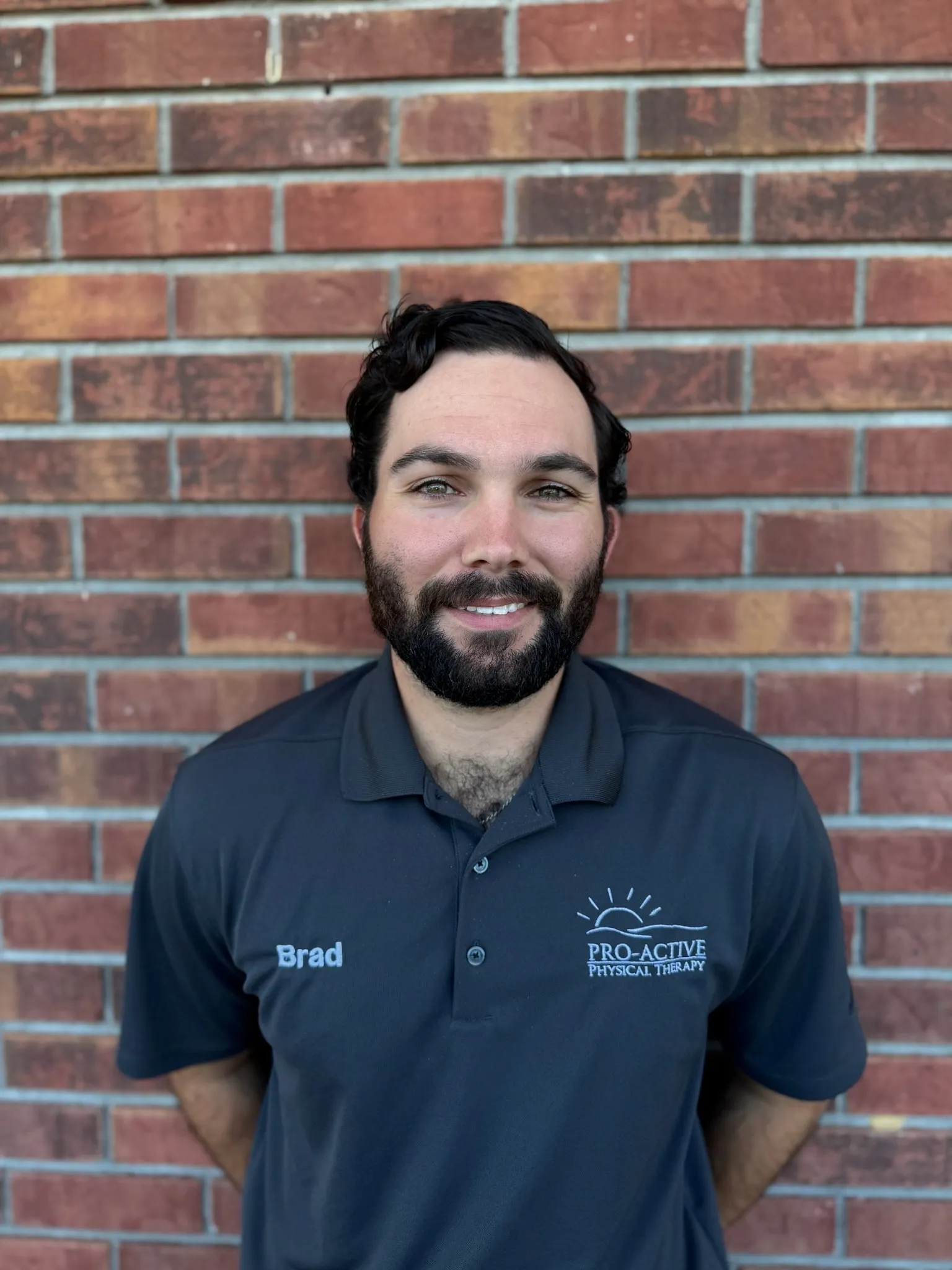
Staff Spotlight: Brad Vandivere
PT, DPT | Pro-Active Physical Therapy Bryant
Brad is the newest member to our Bryant team. He joined us in August of 2024. Brad is a proud graduate of UCA. In his spare time he enjoys hunting, fishing, and exploring the great outdoors. His favorite saying is “I’d rather look back at my life and say I can’t believe I did that instead of saying I wish I did that”. One of his goals is to visit all 50 states. Brad is passionate about helping patients regain their mobility and return to the activities they love most.

Apple Cinnamon Streusel Muffins
Ingredients:
- 1 ½ c all-purpose flour
- ½ cup granulated sugar
- 1 ½ tsps baking powder
- ½ tsp ground cinnamon
- ¼ tsp salt
- 1 large egg
- ½ c milk
- ¼ c unsalted butter, melted
- 1 tsp vanilla extract
- 1 c chopped apples (about 1 medium apple)
Streusel Topping:
- ½ c all-purpose flour
- ¼ c packed light brown sugar
- ¼ tsp ground cinnamon
- ¼ c unsalted butter, cold and cut into small pieces
Directions:
-
Preheat oven to 375°F (190°C) for even baking. Line a 12-cup muffin pan with paper liners for easy cleanup.
-
In a large bowl, whisk dry ingredients: flour, granulated sugar, baking powder, cinnamon, and salt. In a medium bowl, whisk wet ingredients: egg, milk, melted butter, and vanilla until smooth.
-
Combine wet and dry mixtures, stirring just until moistened—don’t overmix (a few lumps are fine). Fold in chopped apples gently to keep chunks intact.
-
For the streusel, mix flour, brown sugar, and cinnamon in a small bowl. Cut in cold butter with a pastry blender or fingers until it resembles coarse crumbs.
-
Divide batter evenly among muffin cups (an ice cream scoop helps). Top generously with streusel.
-
Bake 18–22 minutes, until a skewer comes out clean. Let cool in pan briefly, then transfer to a wire rack.
-
Enjoy your homemade Apple Cinnamon Streusel Muffins!
4 Benefits of Physical Therapy
A physical therapist can educate you about ways to move safer, use your energy more efficiently, reduce the risk of re-injury, and enhance the overall effects of your care. The benefits of physical therapy treatments include easing pain, reducing spasms, increasing circulation, and promoting healing.
- Physical therapy can help improve your joint range of motion and overall mobility: Our ability to move depends on how individual joints move and how the body’s joints move in concert with one another. Increasing joint range of motion and mobility of the connective tissues around your joints (including the tendons, muscles, fascia, and joint capsules) will help your joints feel better and move better. This will also help you improve overall functional mobility and activity tolerance, essential for work, leisure, and simple daily functions.
- Physical therapy can help strengthen weaknesses and compensation patterns: Through injury or surgery, muscles become weak and impact your ability to move and function normally. For some, an old injury or abnormal movement pattern has led to weakness due to compensations. Physical therapists are skilled at assessing the whole body, identifying weaknesses, and teaching how to restore strength and function.
- Physical therapy can improve your overall health and well-being: When you see a physical therapist for pain and injuries, you will receive rehabilitation benefits to resolve the condition and a total body approach to health. Physical therapists can recommend nutrition to improve pain, reduce inflammation, and improve overall health. In addition, physical therapists are movement experts and trained to help you move/exercise more, no matter your limitations or restrictions. More activity equals improved health!
- Physical therapy can help you reduce the risk of injury: By implementing a holistic approach, we can improve and restore your function and prevent injuries. This may include all components of typical physical therapy and include gait modifications and coordination exercises to stimulate the nervous system and help ensure your mechanics are ideal to avoid an injury.

Take the First Step Towards Lasting Relief Today
The mission of our physical therapy clinic is to use compassion, encouragement, and motivation in the treatment of our patients and clients. We provide outstanding and personalized skills as movement and rehabilitation physical therapists through exceedingly high customer service and results! Our goal is to positively impact people’s lives and improve their quality of life. Your therapy will be centered around helping you get back to doing the things you love without pain. We understand that no two pain conditions are alike, and no two treatment plans should be either.
Contact Pro-Active Physical Therapy to learn more about National Physical Therapy Month and the benefits of physical therapy. If you’re struggling with a painful condition or experiencing a physical limitation, our therapists will work with you to ensure your success!

Go to the Pain, Not Through the Pain
The days of “no pain, no gain” are hopefully in the past. The idea of emphasizing pushing through discomfort to achieve results is not an effective solution for most people dealing with a painful condition, injury, or chronic condition. In fact, recent research suggests that a more holistic approach is effective and, indeed, safer for patients.
Pain is our body’s way of letting us know that something is happening in the body. When a nerve ending is triggered, an impulse travels to the brain, alerting us that something is happening. It is a warning sign or an alarm. How this impulse is interpreted varies from person to person and is influenced by a multitude of factors.
Aggressively pushing through pain can worsen the underlying issues and potentially result in long-term damage. The key is getting help from people who work with painful conditions every day, like our therapists at Pro-Active!
How Physical Therapy Can Help You Find Relief
In cases of musculoskeletal disorders and injuries, applying excessive stress on already agitated tissues can prolong the healing process and even cause further injury. In comparison, going to the pain but not through it means cautiously approaching the edge of discomfort without crossing it, which can help your body progress without delaying your recovery.
Our objective is to work within a “therapeutic window”: a range of activities that stimulates the body’s natural healing mechanisms without triggering negative responses.
At Pro-Active Physical Therapy, we educate our patients about pain to help them understand their conditions better and actively participate in treatment. Our therapist can help you learn “pacing,” where activities are broken down into manageable parts, helping you to avoid extreme ups and downs of feeling good one day and an increase in pain and inactivity the next.
By respecting the body’s pain signals and working within a therapeutic window, our approach aims to achieve long-term functional gains without the risks associated with pushing through pain.