How To Find Relief From Sciatica
Frank’s pain was the worst he’d ever felt. It started in his lower back but then radiated down the back of his leg all the way to his toes. Sometimes, he felt numbness or tingling in his leg, which he found especially concerning. But worst of all, this radiating pain made it almost impossible for him to get around.
Eventually, Frank visited his physical therapist, where he learned this pain had a specific term: sciatica. Its name comes from the fact that it affects the sciatic nerve, which runs from the lower back down into the foot.
Frank also learned that his sciatica, like most people’s, came courtesy of a herniated disc in his lumbar spine. Fortunately, physical therapy is a frontline treatment for herniated discs, and with a month of regular PT sessions, Frank resolved his pain.
Are you experiencing radiating leg pain like Frank? If so, reach out to us at Pro-Active Physical Therapy. We can help you know for certain if your pain is sciatica or another similar condition — and we can help you find relief with a customized treatment plan. Call today to schedule your initial consultation!
Patient Success Spotlight
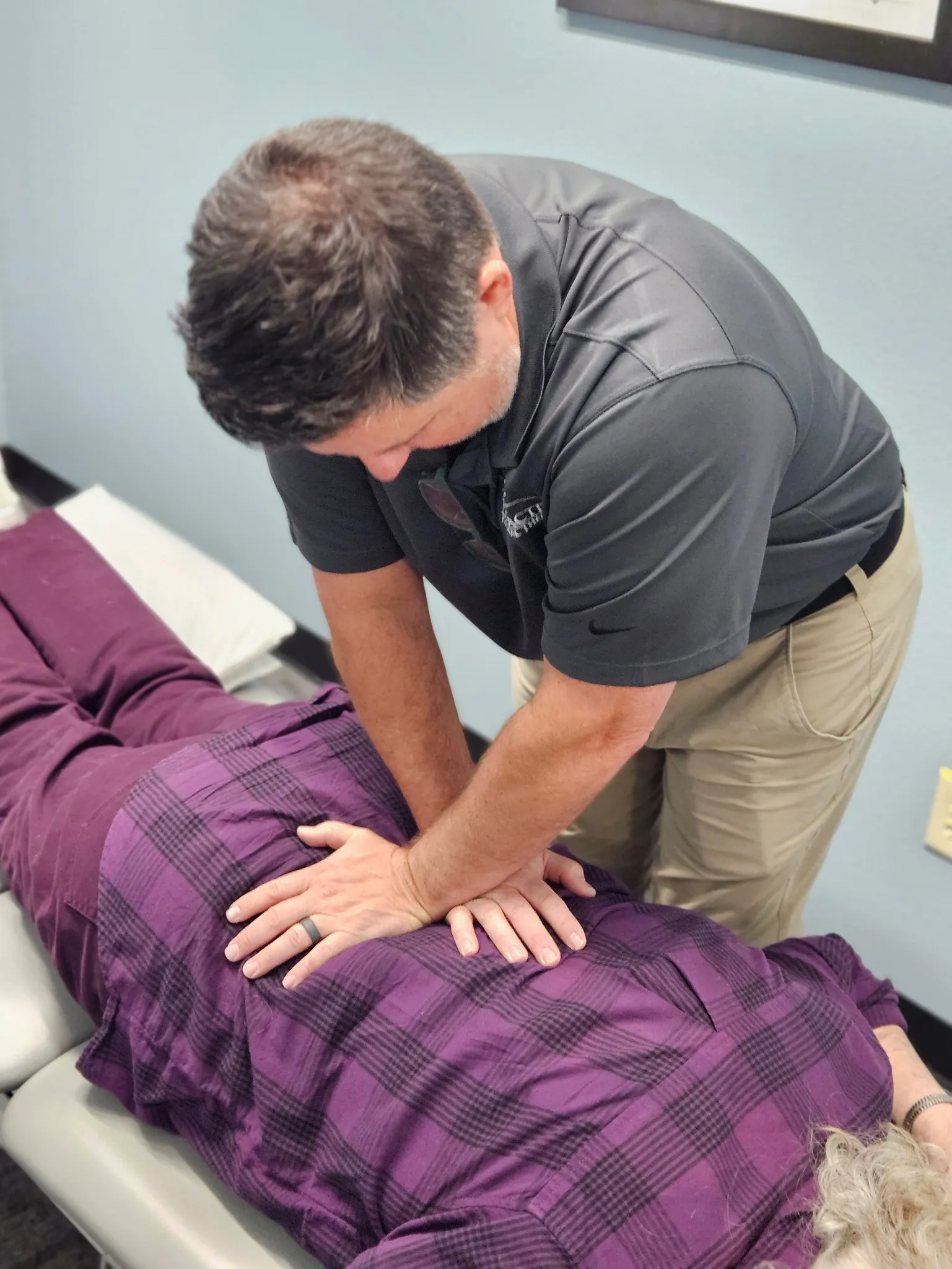
“Pro-Active was my first choice due to how early the facility opens. Since starting here my experience has been amazing! Every interaction from front staff to tech to therapist has been a great one with all these caring individuals!” -J.S.
What Is Sciatica?
Symptoms and Causes
Sciatica is a somewhat misunderstood condition. Many people refer to any radiating pain in the back and legs as “sciatica.” In reality, sciatica only refers to pain that stems from pressure or irritation on the sciatic nerve.
Sciatica’s main symptom is pain that starts in the lower back, radiates into the buttocks, and then runs down the back of one leg into the foot, following the path of the affected sciatic nerve. Often, the leg pain will be worse than the back pain.
However, other symptoms often indicate sciatica, including the following:
- Muscle spasms in the back
- “Pins and needles” sensations in the leg and/or foot
- Numbness in the leg and/or foot
- Shooting or burning pain deep in the buttocks or legs
- Weakness in the affected leg
Sciatica occurs when the sciatic nerve is pinched, compressed, or irritated in some way. But what causes that nerve irritation in the first place?
For most people, as it was for Frank, the answer is a herniated disc. Your spinal vertebrae are cushioned and protected by flexible cartilage discs (spinal discs). If one of these discs bulges or ruptures so that it irritates or pinches the sciatic nerve, you’ll experience sciatica pain.
Other medical issues (such as a bone spur, inflammation related to pregnancy, or a tumor) can also cause sciatica, but these conditions are much rarer. If you have sciatica, the chances are good you have a herniated disc, and that’s something physical therapy can help resolve!

Staff Spotlight: Nick Dobbs
PT | Benton Physical Therapy
Nick, his wife Anna and their son Hudson are current residents of Benton, AR. They love spending time with their families and friends watching football and would love to be able to attend a Steelers game at Heinz stadium one day. Nick joined our team in June 2016 after graduating from University of Central Arkansas. Nick likes being able to help others and it shows through his work. When asked what one of his favorite parts of his job is he says “the interactions I’m able to have with the staff and patients and learning something new each day”.

Easy Corn Bake
Ingredients:
- 1 (8-ounce) brick cream cheese
- 1 cup milk
- 1 (8-ounce) brick pepper jack cheese, shredded
- 1 cup (3 ounces) crumbled or diced cooked bacon
- 4 cups (20 ounces) fresh corn kernels
Directions:
-
Preheat the oven to 350°F. There are two ways you can go about melting the cream cheese. First, cut the cream cheese into small cubes. Then, place them in a small saucepan with the milk. Set it over medium heat, bring it to a simmer (do not boil), and whisk to combine. Or you can place the cubed cream cheese in a small microwave-safe bowl and microwave in 20-second intervals until softened.
-
Add the milk and use a whisk to combine. Add the cream cheese and milk mixture, shredded cheese, bacon, and corn to an 8 or 9-inch casserole dish.
-
Stir to combine, spread out into an even layer, and bake until bubbly and the edges are golden brown, about 40 minutes. Serve warm or at room temperature.
Want To Ease Sciatic Pain? Get Moving!
While regular physical therapy at Pro-Active Physical Therapy is the best way to resolve your sciatica, several simple at-home exercises can help resolve your pain as you work through your treatment plan. Our physical therapists will usually provide you with a personalized routine for your PT “homework.” The following are common exercises we might suggest and may help relieve pain between sessions. But make sure to check with your therapist before giving them a try!
Simple Exercises to Ease Sciatic Pain
Supine Piriformis Stretch
Lie on your back with your knees bent, pointed toward the ceiling. Rest the ankle of your affected leg against your other thigh, forming a “four” shape with your legs. Gently pull your crossed leg sideways across your body until you feel the stretch in your affected glute. Hold for 10-30 seconds and repeat on the other side if you wish!
Cobra Stretch
Lie down on your stomach with your hands on the floor in line with your shoulders and your elbows tucked into your body. Inhale and press into your palms to lift your head, chest, and shoulders off the ground. Don’t fully straighten your arms; make sure your chest stays lifted. Tighten your core muscles as you hold the stretch for 10-30 seconds. Gently lower back to the ground and repeat as needed.
Clamshell
Lie on one side with your knees slightly bent and your head resting on your bottom arm. You can press your top arm into the ground in front of you for support. Engage your core to help with stability. Keeping the feet together, gently lift your top knee so that your bent legs resemble the open mouth of a clam. Keep your torso still so you don’t roll backward. Hold for 5-10 seconds, then lower slowly. Complete as many clamshells as you’d like, but don’t forget to roll over and do the other side, too!

Start the New Year Strong with Physical Therapy!
A healthier, more active you is just one scan away. Whether you’re recovering from an injury, looking to prevent future pain, or ready to take charge of your overall mobility and strength, ProActive Physical Therapy is here to guide your journey. Kick off the year with expert support, personalized care, and a team dedicated to helping you reach your goals. Simply scan the QR code to schedule your appointment or learn more—your path to feeling better begins now!