How Physical Therapy Can Help with Rotator Cuff Injuries
Imagine waking up one morning, eager to start your day, but as you attempt to brush your teeth, the pain in your shoulder sends a searing wave of discomfort through your entire arm. Suddenly, the simplest tasks become challenging.
This scenario is all too familiar for individuals dealing with rotator cuff injuries, which can severely limit daily life functions. However, there is hope in the form of physical therapy—a proven and effective way to regain strength, mobility, and overall shoulder function.
At ProActive, our physical therapists are highly trained and understand how important it is to resolve your shoulder pain. We’ll get to the root of your problem and provide clear guidance to help you recover sooner rather than later!
Contact our skilled team of physical therapists today and get started on your road to recovery!

Win A $50 Amazon Gift Card
All 5-star reviews will be entered to win a $50 Amazon gift card! Please include first name and last initial in your review so we can contact the correct winner!

Patient Success Spotlight
“I started with Drew at Benton PT to get over a hamstring/quad strain but ended up needing knee surgery. So we pivoted to exercises to get me ready for surgery that I could continue at home after surgery. Their GO app is awesome. It guided me through the exercises at home perfectly and helped me regain mobility quickly. Thanks for the great patient care!” – J.H
The Impact of a Shoulder Injury
Rotator cuff injuries can disrupt your life in many ways, affecting your physical abilities and overall well-being. Some common limitations and challenges individuals face due to shoulder pain include:
- Painful Movements: Simple actions like reaching for an item on a high shelf, combing your hair, or even tucking in your shirt can become excruciatingly painful.
- Sleep Disturbances: Many people with shoulder injuries struggle to find a comfortable position, leading to disrupted sleep patterns and fatigue.
- Limited Range of Motion: Reduced shoulder mobility can hinder your ability to perform essential tasks, such as putting on a seatbelt or reaching behind your back.
- Loss of Strength: Weakness in the affected arm can make lifting even lightweight objects a daunting challenge.
For those grappling with these challenges, seeking help from ProActive can be a game-changer!

The Role of ProActive in Your Recovery
When you consult a physical therapist for a rotator cuff injury, the initial evaluation is a critical step in the recovery process. Here’s what you can expect:
- Your physical therapist will start by discussing your medical history, including the onset and nature of your shoulder pain, any previous injuries, and your overall health.
- A thorough physical examination follows, focusing on the affected shoulder. This includes assessing your range of motion, strength, and any signs of inflammation or instability. To understand how your injury impacts your daily life, your therapist will assess your ability to perform essential tasks like reaching, lifting, and dressing.
- Based on the evaluation findings, your physical therapist will provide a diagnosis and work with you to establish clear goals for your rehabilitation.
Next, your therapist will design a program tailored to your unique needs, including:
- Manual Therapy: Physical therapists often use manual therapy techniques, including joint mobilizations and soft tissue mobilizations, to alleviate pain and improve shoulder mobility. These techniques have been shown to reduce pain and enhance range of motion in individuals with rotator cuff injuries.
- Therapeutic Exercises: A customized exercise program is a cornerstone of rotator cuff rehabilitation. Therapists prescribe exercises that target specific muscle groups, gradually improving strength and function.
- Home Exercise Programs: Physical therapists provide patients with home exercise programs to promote continuity of care. Consistent adherence to these programs can improve rotator cuff rehabilitation outcomes.
- Patient Education: Understanding the injury and learning how to prevent future problems is crucial. Our physical therapists educate patients about proper shoulder mechanics, posture, and ergonomics to reduce re-injury risk.
As you continue to progress in your recovery, functional training becomes vital. Tasks like lifting, reaching, and carrying are integrated into the rehabilitation program to ensure you regain your ability to perform daily activities without pain or limitation.

Staff Spotlight: Mackenzie Simon
PT & Clinic Director | Benton PT
Mackenzie, her husband and their 2 adorable kids are current residents of Benton, AR. In her spare time she loves to spend time with her family and play tennis. Mackenzie joined our team in August of 2017 after graduating from University of Central Arkansas. She has now taken on the role of Clinic Director at our Benton location. Mackenzie found a love for physical therapy after doing PT herself to recover from a knee injury in her teens. This made her want to pursue a career in physical therapy to help others return to doing the things they loved. When asked what a favorite part of her job is she says “Getting to treat a wide variety of patients of all ages, diagnoses, and personalities”.

Carrot Cake Cupcakes
Ingredients:
- 1 1/3 cups (about 5 3/4 oz.) all-purpose flour
- 1 1/2 tsp. ground cinnamon
- 1 tsp. baking powder
- 1/2 tsp. kosher salt
- 1/2 tsp. ground allspice
- 1/4 tsp. ground ginger
- 1 cup packed dark brown sugar
- 1/2 cup vegetable oil
- 1/3 cup sour cream, at room temperature
- 1 1/2 tsp. vanilla extract
- 2 large eggs, at room temperature
- 1 1/2 cups shredded carrots
- 1/2 cup chopped, toasted walnuts, plus more for garnish
Cream Cheese Frosting:
- 1/2 cup butter or margarine, softened
- 11 ounces cream cheese, softened
- 1 (16-oz) package powdered sugar
- 1 1/2 teaspoons vanilla extract
Directions:
- Preheat oven to 350°F and line a 12-cup muffin tray with paper liners. In a large bowl, whisk flour, cinnamon, baking powder, salt, allspice, and ginger. In a medium bowl, whisk brown sugar, oil, sour cream, vanilla, and eggs until smooth.
- Add sugar mixture to dry ingredients and stir until combined. Fold in carrots and walnuts. Divide batter evenly among muffin wells (about ¼ cup each).
- Bake for 20-25 minutes until golden and a toothpick comes out clean. Cool on a wire rack for 45 minutes.
For the frosting:
- Beat butter and cream cheese with an electric mixer until creamy.
- Add powdered sugar and vanilla extract, then beat at high speed for 10 seconds until smooth.
Taking the First Step Towards Recovery
If you’re dealing with the challenges of a rotator cuff injury, don’t let it limit your life any longer. Seek the expertise of one of our highly skilled physical therapists who can provide a personalized treatment plan based on your unique needs and goals. Your path to regaining strength, mobility, and a pain-free shoulder begins with a simple but crucial step: reaching out to us today!
Don’t wait — start your journey towards recovery today!
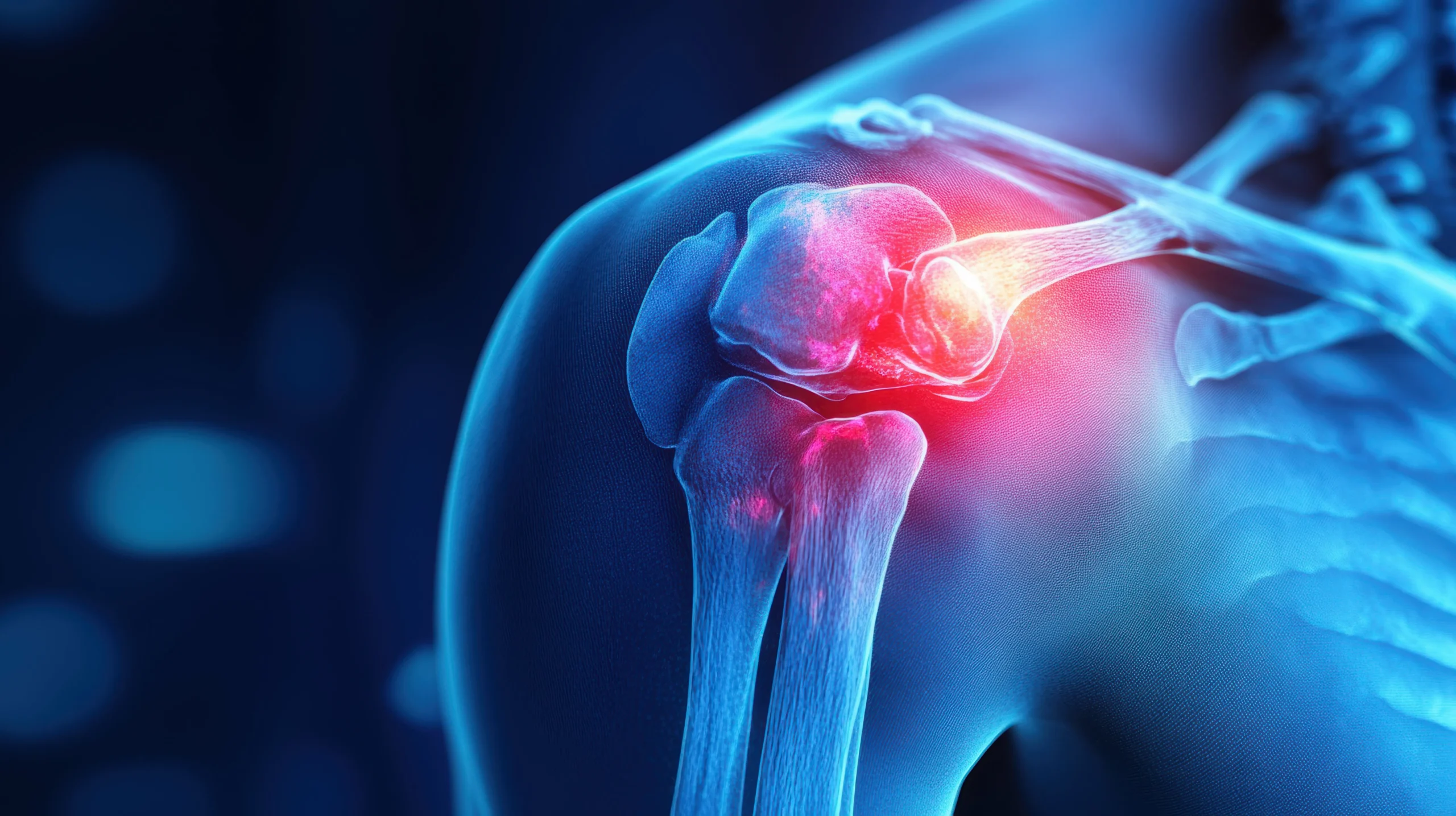
Understanding Rotator Cuff Injuries: Signs and Symptoms
If you’ve been experiencing shoulder pain or discomfort, it’s essential to understand the signs and symptoms of a potential rotator cuff injury. By recognizing these indicators, you can take the crucial first step towards seeking appropriate care and embark on your path to recovery.
Rotator cuff injuries can vary in severity. In addition to pain, they often share these five signs and symptoms:
- Disturbed Sleep: Rotator cuff pain often worsens at night, interfering with sleep. Sleeping on the affected side can be particularly uncomfortable.
- Weakness: Individuals with a rotator cuff injury may experience weakness in the affected shoulder, making it challenging to perform tasks that require lifting, reaching, or holding objects.
- Limited Range of Motion: Reduced mobility in the shoulder is a common symptom. You may struggle to raise your arm, reach behind your back, or perform overhead activities.
- Difficulty with Daily Activities: Rotator cuff injuries can impact daily tasks such as combing hair, dressing, and reaching for items on high shelves. It can also affect sports and recreational activities.
- Gradual Onset: Some rotator cuff injuries develop gradually over time due to overuse, while others may result from a sudden injury or trauma, such as a fall or lifting heavy objects.
Take the First Step Toward Recovery
It’s essential to seek help from one of our ProActive specialists if you experience any of these symptoms, as early intervention can lead to more effective treatment and improved outcomes. Our physical therapists can assess your shoulder and tailor a treatment plan to address your specific needs and goals.
Don’t wait to get help; call today and schedule a consultation!