
Physical Therapy Can Help You Resolve Unwanted Knee Pain
Knee pain is a common complaint that affects people of all ages, often hindering their ability to perform everyday activities and enjoy a high quality of life. Whether resulting from injury, arthritis, or overuse, knee pain can be debilitating.
Fortunately, physical therapy at Pro-Active Physical Therapy offers hope for those seeking relief. This article shares the journey of Alex, a 40-year-old marathon runner, who found relief from persistent knee pain through the expert care of our skilled therapists.
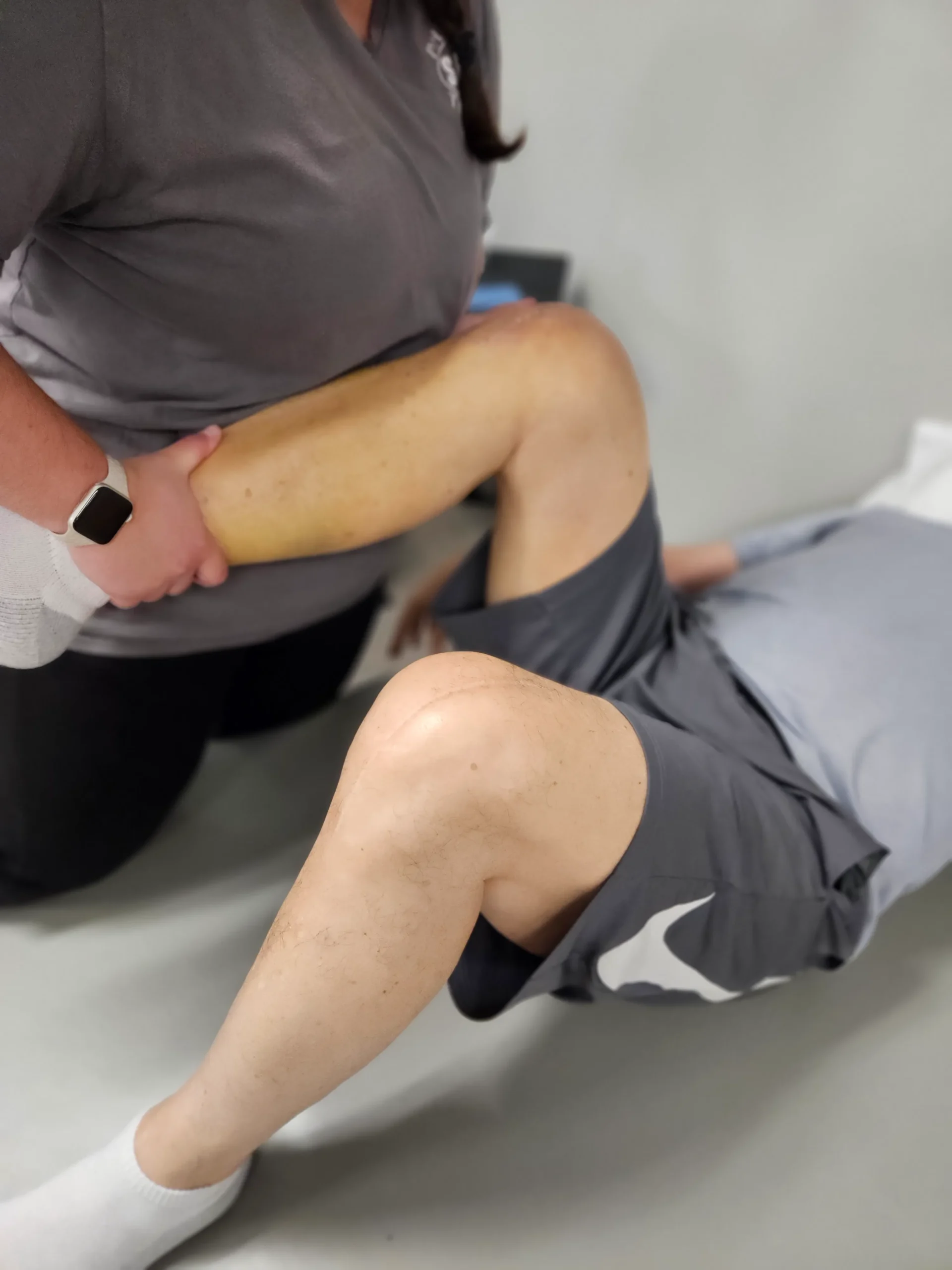
The Onset of Pain

Alex’s passion for running was undeniable. Completing several marathons each year, he was no stranger to the physical demands of long-distance running. Unfortunately, Alex began experiencing sharp pains in his right knee, particularly during and after runs. Initially dismissing it as regular wear and tear, he soon realized the pain was not subsiding but worsening with time.
Seeking Help:
After several weeks of persistent pain, Alex knew he needed professional help. His search for a solution led him to Pro-Active Physical Therapy, known for our team of experienced physical therapists specializing in sports injuries. From the moment he walked in, Alex felt a sense of hope. The clinic’s approach was about alleviating pain, understanding its root cause, and preventing future issues.
The Physical Therapy Journey Begins
Alex’s journey began with a comprehensive assessment that included a detailed discussion of his running habits, knee pain history, and a physical examination to assess his knee’s strength, flexibility, and alignment.
Our clinic’s expertise in sports injuries came to the forefront with a detailed analysis of Alex’s running gait. His therapist identified several inefficiencies in his running form contributing to his knee pain.
Tailored Treatment Plan
Understanding the specifics of Alex’s condition, the therapist devised a personalized treatment plan. The multifaceted plan addressed Alex’s knee pain symptoms and underlying causes.
Manual Therapy
Alex’s treatment started with manual therapy. His therapists used hands-on techniques to free up restrictions and tension in the soft tissues around his knee. This approach helped reduce Alex’s pain and increase his range of motion, setting a solid foundation for further therapeutic interventions.
Strengthening Exercises
Recognizing the importance of muscular support for knee stability, Alex was guided through a series of strengthening exercises focused on building up the muscles around his knee, particularly the quadriceps and hamstrings. These exercises were designed to absorb shock more effectively, reduce the burden on his knee during runs, and prevent future injuries.
Motor Control Exercises
To address any dysfunctional movement patterns contributing to Alex’s knee pain, the therapists introduced motor control exercises. These exercises aimed to correct his movement patterns, ensuring that he adopted more efficient movement strategies during running and daily activities, thereby reducing strain on his knee.
Education and Preventive Strategies
Beyond immediate treatment, education played a vital role in Alex’s therapy. He learned the importance of proper footwear, adequate warm-up and cool-down routines, and strategies to gradually increase running distances without overloading the knees.
The Road to Recovery
Alex’s dedication to physical therapy paid off as he noticed a significant reduction in knee pain, improved running efficiency, and a newfound awareness of protecting his knees from injury. The holistic approach at Pro-Active Physical Therapy addressed Alex’s pain and equipped him with the knowledge and tools to maintain knee health in the long run.
Debunking the Myth That Running Causes Osteoarthritis

Osteoarthritis (OA) is a degenerative joint disease characterized by the breakdown of cartilage in the joints, leading to pain, stiffness, and impaired mobility. While there is a common misconception that running contributes to the development of OA, numerous studies have shown this to be a myth.
Running has various health benefits, including improved cardiovascular fitness and weight management, which support joint health. In addition, movement, including running, helps keep the cartilage in the knee healthy.
Research has highlighted other factors that are contributors to the development of knee OA:
Age: Aging is the most significant risk factor for OA. As individuals age, the cartilage in their joints naturally undergoes wear and tear, making them more susceptible to degeneration.
Genetics: Genetic factors play a crucial role in determining an individual’s susceptibility to OA. Certain genetic variations have been associated with an increased risk of developing OA in various joints, including the knee.
Previous joint injuries: Previous knee injuries, such as ligament or meniscus tears, can predispose individuals to OA later in life. The trauma from these injuries can accelerate the degenerative process in the affected joint.
Obesity: Excess body weight places additional stress on the knee joints, leading to accelerated cartilage breakdown and an increased risk of developing OA. Maintaining a healthy weight through regular exercise and a balanced diet can help reduce the risk of OA.
Joint misalignment or instability: Abnormalities in joint structure or function, such as malalignment or instability, can lead to uneven distribution of forces within the knee joint, contributing to cartilage degeneration and OA development.
The bottom line is that running does not cause knee OA. At Pro-Active Physical Therapy, our therapists understand the risk factors associated with knee arthritis and will provide programs to preserve your joint health and reduce the burden of OA so you can keep running!

Conclusion: A Testament to the Power of Physical Therapy
Alex’s story is a testament to the effectiveness of physical therapy in resolving unwanted knee pain. At Pro-Active Physical Therapy, the combination of expert assessment, personalized treatment, and a commitment to patient education proved to be a winning strategy.
Alex’s journey offers hope and inspiration for anyone struggling with knee pain. If you’re dealing with knee pain, call our team and schedule a consultation today!
Real Results. Real Recovery.
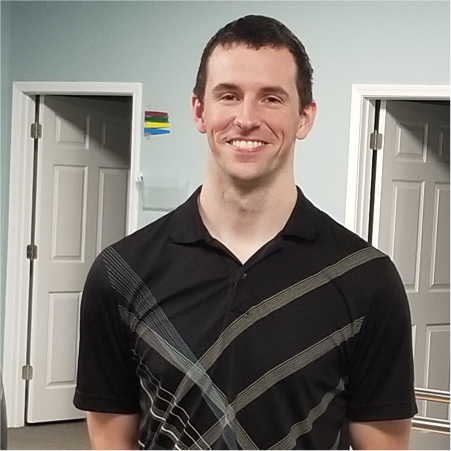
Meet Drew Davis
Drew Davis is a current resident of Benton, where he lives with his wife Katelyn, their amazing kids and their dog Tucker.
In his spare time he likes to get in a good workout and he also enjoys online gaming. One day he would love to visit and bungee jump in Australia and New Zealand. Drew is a graduate of Harding University and he joined our team in June of 2021. He loves learning new techniques so he can better help his patients.
Cowboy Caviar

Ingredients
- 3 Roma tomatoes, seeds removed and diced
- 2 avocados, diced
- ⅓ cup diced red onion
- 1 (15 oz) can black beans, rinsed and drained
- 1 (15 oz) can black eyed peas, rinsed and drained
- 1½ cups frozen corn kernels, thawed
- 1 bell pepper, diced (any color)
- 1 jalapeño, seeds removed and finely diced
- ⅓ cup chopped fresh cilantro
- Tortilla chips for serving
Dressing
- ⅓ cup olive oil
- 2 tablespoons fresh lime juice
- 2 tablespoons red wine vinegar
- 1 teaspoon granulated sugar
- ½ teaspoon salt
- ½ teaspoon black pepper
- ¼ teaspoon garlic powder
Instructions
- Combine tomatoes, avocado, onion, black beans, black eyed peas, corn, bell pepper, jalapeño, and cilantro in a large bowl. Toss well until evenly mixed.
- In a separate bowl, whisk together olive oil, lime juice, red wine vinegar, sugar, salt, pepper, and garlic powder.
- Pour the dressing over the mixture and toss thoroughly to coat all ingredients evenly.
- Refrigerate until ready to serve. If serving later, stir again before enjoying.