How Posture Affects Neck and Back Pain
Have you noticed your back and neck seem more sore and stiff at the end of a long day? Poor posture is likely the source of that soreness.
The worse your posture is, the more intense your back and neck pain can become. Unfortunately, once your body gets used to poor posture, it becomes more challenging than simply squaring your shoulders or pinching your shoulder blades together. The good news is that with guidance from ProActive physical therapists, you can train the muscles in your back and neck to correct your posture and bring relief to your neck and back pain. Call today to make an appointment!

Win A $50 Amazon Gift Card
All 5-star reviews will be entered to win a $50 Amazon gift card! Please include first name and last initial in your review so we can contact the correct winner!

What is Good Posture?
Posture refers to the position(s) of a person’s body in space. Through the alignment of spine joints in relation to one another, we can move more freely and perform daily activities comfortably.
The awareness of the positions we hold our body in is based on our nervous system’s feedback and depends on the activities we do. This feedback helps us find and keep the alignment of the spinal joints over one another. Postural control refers to building up posture against gravity and ensuring that balance is maintained.
There are specific ways that you can tell if neck or back pain may be a result of poor posture, including:
- The pain in your back is worsened at the end of a shift or the end of a workday.
- The pain frequently starts in your neck and moves into your upper and lower back.
- The pain will subside after switching positions, such as switching from sitting to standing or vice versa.
- Back or neck pain develops soon after a change in circumstances, such as starting a new job with a new desk chair or getting a new car.
After years of practicing poor postural habits, your back, shoulder, and neck muscles will likely find standing or sitting with a straight posture to be challenging. This struggle is because your muscles and nervous system have grown accustomed to the slouching postures.
Working with a physical therapist to improve your posture with exercises is an effective way to overcome chronic neck and back pain.

Patient Success Spotlight
“You will not find a better place to heal. They provide efficient care with great explanations. They work with you and for you. Nick was awesome as well as the assistants and office. My improvement was steady and gave me a place I would be happy to recommend to others.” -C.S.
How Physical Therapy Can Help Your Posture
Our spine is designed to move, which means our posture should also move. The spine does not like to remain in any one position for extended times. At ProActive, your physical therapist will guide you through a series of stretches and strength-building exercises that can help you begin training your body to practice better posture, thereby reducing your back and neck pain. Other ways your physical therapist can help are:
Education
Understanding your ideal posture and how to manage it throughout your day can help you be proactive and find a solution for your sore back and neck. Understanding what is going on, and more importantly, what you can do about it, is one of the most effective solutions. It seems small, but consistently it has been shown to help!
Advice to stay active
We know that prolonged postures often lead to pain. Your physical therapist can help you identify modifications to your posture to ensure you are changing your position frequently.
Exercise therapy
A physical therapist will tailor your exercises, monitor you, and progress you based on your individual needs. Supervised exercise therapy includes spine mobility exercises, “proper” postural exercises, or strength exercises.
The McKenzie Method is an effective technique in identifying movements and positions to provide you with relief and is often used for home exercises. One of the most effective tools in the McKenzie method is lumbar rolls to ensure proper sitting posture.
What to Expect at Physical Therapy
Your physical therapist will perform a thorough physical examination and provide you with solutions that work based on the findings. According to research on back and neck pain, physical therapy treatments effectively improve your posture and improve your pain levels.
Your therapist will teach you strategies like:
- Stand tall whenever you are standing or walking.
- Use support when you sit to keep your posture correct.
- Maintain a straight spine when you lift heavy objects.
Physical therapy is the ideal tool for providing you with an opportunity to understand what may be causing your pain and help you mobilize your spine and strengthen the surrounding muscles to alleviate the pain associated with your poor postural habits.
Contact Our Clinic Today
Addressing your posture early on is the best way to prevent an issue from becoming more debilitating. Contact ProActive Physical Therapy today to learn more about how you can take steps to start improving your posture today.

Staff Spotlight
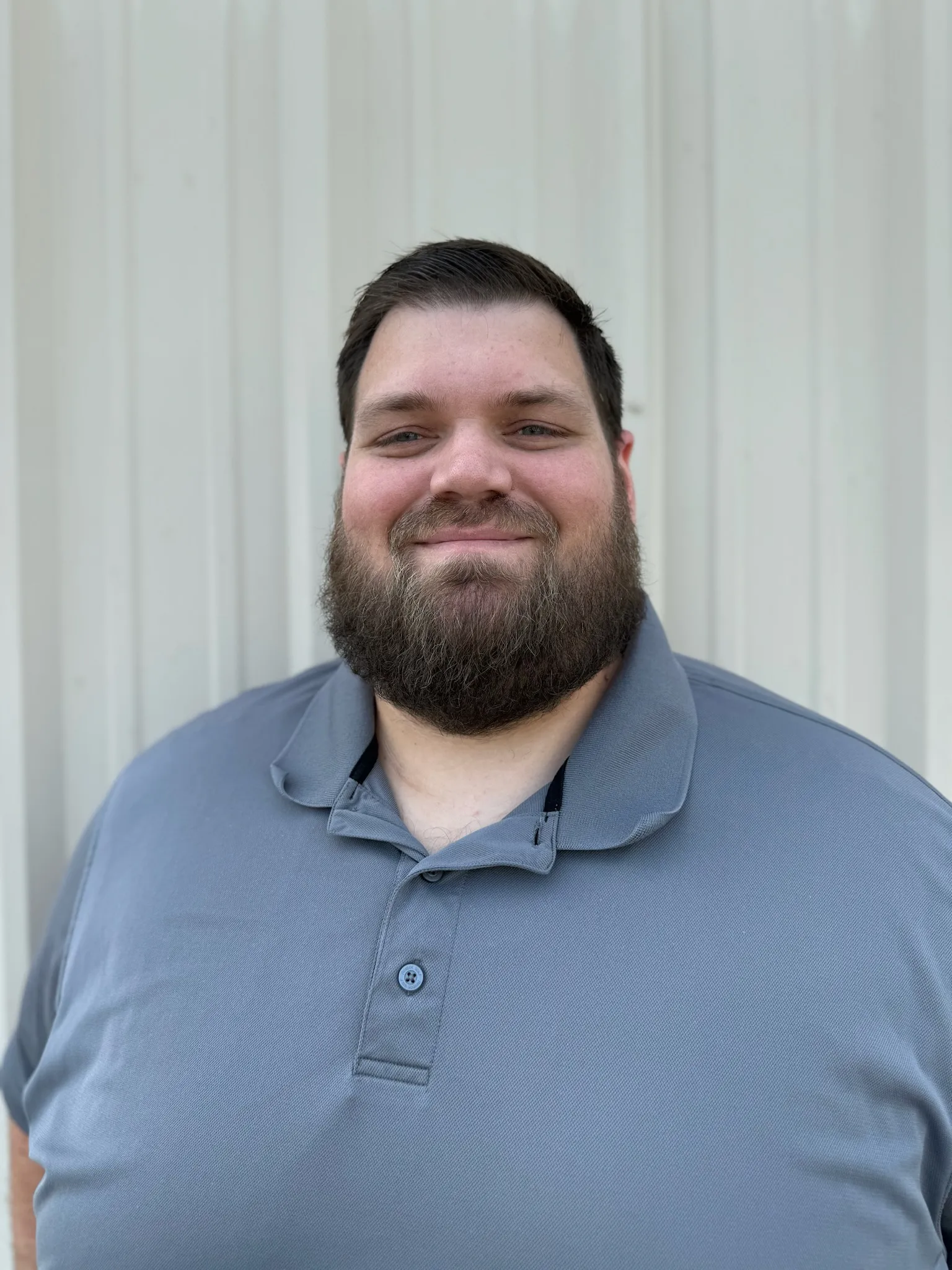
Nick PT | Malvern Physical Therapy
This month, we’re shining the spotlight on Nick, a dedicated Physical Therapist at Malvern Physical Therapy since June 2016.
A graduate of the University of Central Arkansas, Nick is passionate about helping his patients recover and improve their quality of life. He loves the daily interactions with staff and patients, and he finds joy in learning something new every day!
Outside of the clinic, Nick enjoys spending time with his wife Anna and their son Hudson, and watching football with family and friends. We’re so lucky to have Nick on our team!

French Toast Casserole
Ingredients:
- 2 tubes refrigerated cinnamon rolls (8 cinnamon rolls each — 351 grams or 12 oz)
- ¼ cup salted butter (melted)
- ¾ cup milk
- ½ cup pure maple syrup
- 4 eggs
- 2 teaspoons vanilla
- 1 teaspoon cinnamon
Directions:
Preheat the oven to 350 degrees F and lightly spray a 9×13″ baking dish with nonstick spray. Pour in melted butter (or place the stick of butter in the pan in the oven to melt). Remove cinnamon rolls from the package, reserving frosting for later. Cut cinnamon rolls into 3/4″ pieces and place in the prepared baking dish. Whisk together the milk, pure maple syrup, eggs, vanilla extract, and cinnamon, and pour the mixture over the cinnamon roll pieces in the dish. Bake the casserole for 25–35 minutes until light golden brown and puffed. Let cool for 10–15 minutes, then drizzle the top of the casserole with package frosting and serve.
A New Year Means a New You
We all know what happens when the New Year hits! Everybody starts attempting to set goals to improve their lives over the next 12 months. While there’s never a wrong time to prioritize your health and wellbeing, the beginning of a brand new year certainly feels like a great time to make significant changes!
It doesn’t matter if you’re looking for new ways to become more active, or you just want to put a stronger pulse on your overall health, ProActive is here to help you! We want all of our patients to know that we are behind you 100% when it comes to maintaining their fitness and embarking on a journey to better health. That’s why we wanted to share some of the best things you can start doing today to get your health on the right track for the New Year!
Aerobic activities
When it comes to getting fit, exercising more often is truly a no-brainer. Tons of targeted stretches and exercises may help you feel better and get into better shape at the same time.
Aerobic stretches and exercises help increase your stamina. They keep you healthy, improve your fitness, and allow you to have an easier time doing the things you love.
Some forms of aerobic endurance exercises include:
- Biking
- Dancing
- Swimming
- Playing a sport
- Climbing
- Walking, sprinting
Strength training exercises
Strength training makes your muscles stronger and also helps to prevent fall injuries. Some common forms of strength-building exercises include:
- Lifting weights
- Using resistance bands during a workout
The beginning of a new year is certainly a wonderful time to set forth expectations about improving our health! If you’re interested in learning more about how you can put your health first, contact ProActive today for more information.